Mon to Fri: 6am - 5pm 0758 466 1054 contact form

Mon to Fri: 6am - 5pm 0758 466 1054 contact form
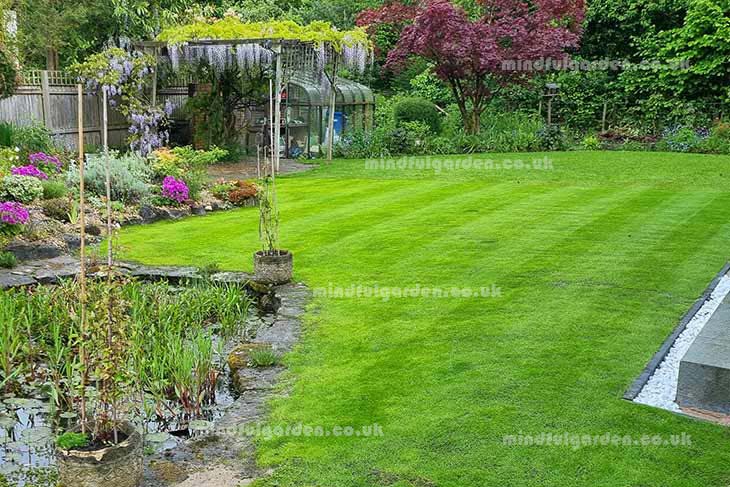
The original lawn was on solid clay which made the lawn inhospitable during wet periods and during winter and spring months and this year even into May/June during heavy rain periods. The idea was to remove a layer of clay and replace with a high quality USGA grade sand allowing access to the lawn all year round. This comes with positives and negatives. Sandy soil does not retain nutrients therefore requires more feeding and requires more watering but with that, grasses thrive in sandy soils due to good drainage and lack of compaction, and we are able to acheive a year round accessible and beautiful lawn. The current lawn status is shown here (13th June 2026) which is approximately ten weeks after the grass seed was first sown. (6th April 2026)
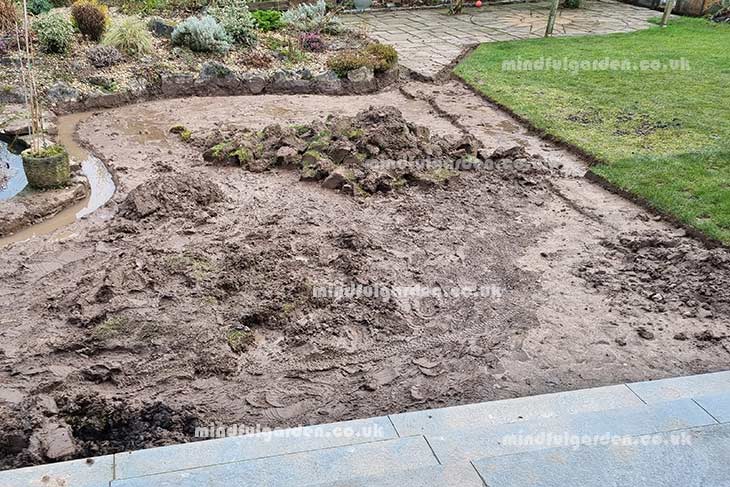
From winter to late spring the lawn was like a skid bath. In winter that may not matter too much but in spring everyone wants to access to their lawns. Die back of grass occurs, particularly in the colder months as the grass plant does not like a cold damp environment.
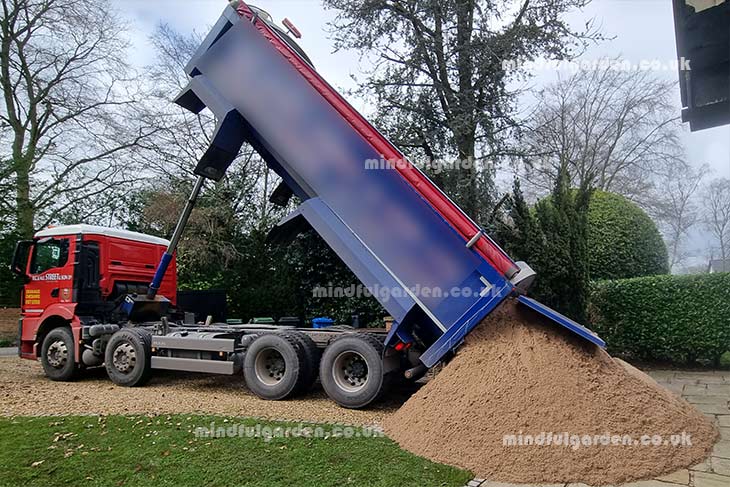
Using sand as your soil substrate has advantages and disadvantages. Sand has excellent drainage and low impaction allowing oxygen and nutrients to the grass root. In particular in winter poor drainage will likely cause die back of your grass plant. pH can be controlled with a sandy soil. Our lawn grasses will prefer a slightly acidic soil. The negatives are nutrients are washed away more easily with sand. Watering frequency required is increased. If it is likely your area receives regular hose pipe bans then this type of lawn may not be sustainable. Zeolite, which in our case is a mined natural particle, composed predominantly of silica and alumina, holds on to nutrients and water, therefore required frequency of watering and feeding becomes less. The sand needs to be of a particular grain size in order to hold structure, which maintains good drainage and the ground remains firm and does not sink. Ideally we want one grain size of a particular size though in reality you get a range of sizes depending on the quarry where the sand is excavated. Each quarry will have it's own specification of a range of grain sizes. Choose a quarry near you to keep transport costs down.
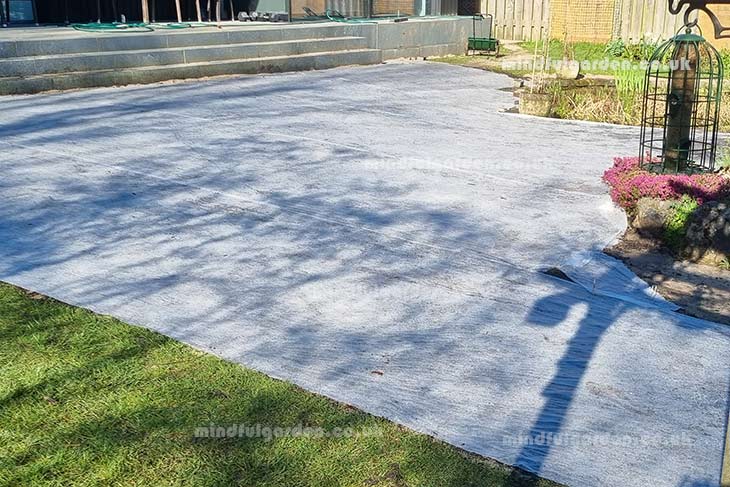
A protective fleece is pegged down and laid on top of your newly laid grass seed. The fleece creates a moist atmosphere which accelerates germination. The fleece also stops unwanted animals digging into your levelled lawn bed.
14th May 2026, approximately five weeks after the grass seed was first sown. (6th April 2026)
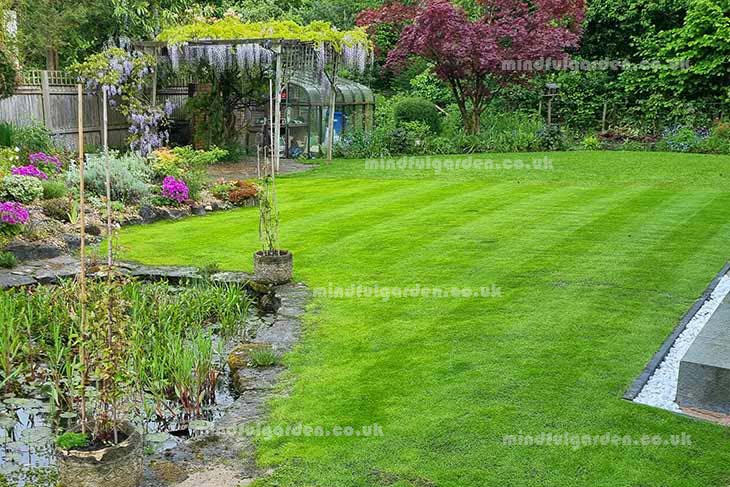
1st June 2026, approximately seven weeks after the grass seed was first sown. (6th April 2026)
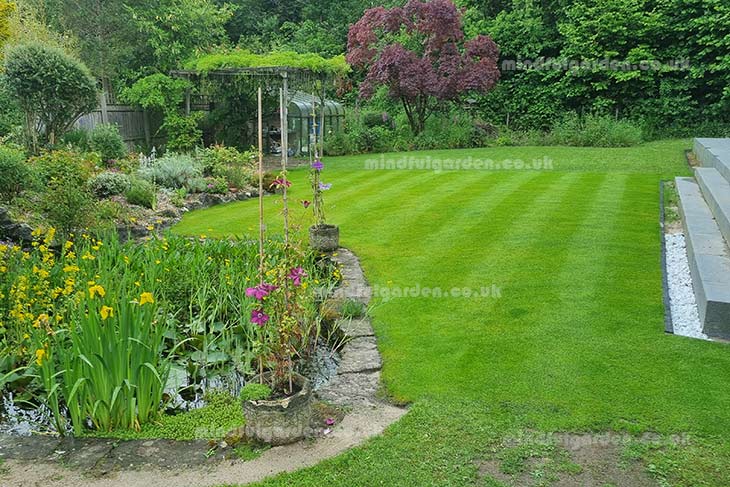
10th June 2026, approximately nine weeks after the grass seed was first sown. (6th April 2026)
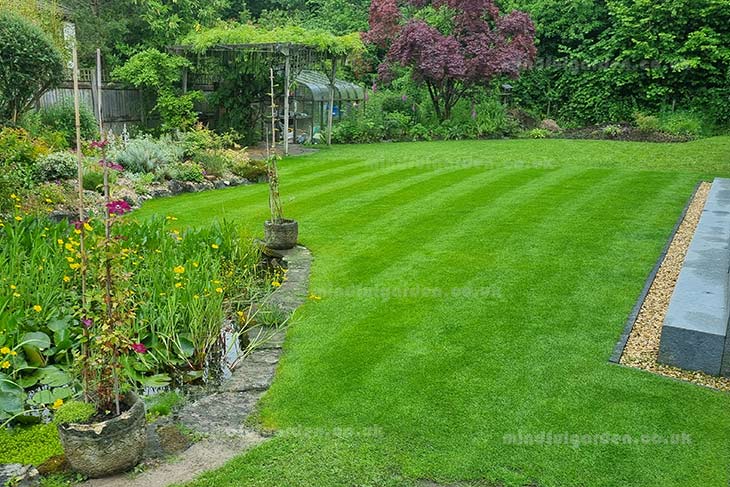
13th June 2026, approximately ten weeks after the grass seed was first sown. (6th April 2026)
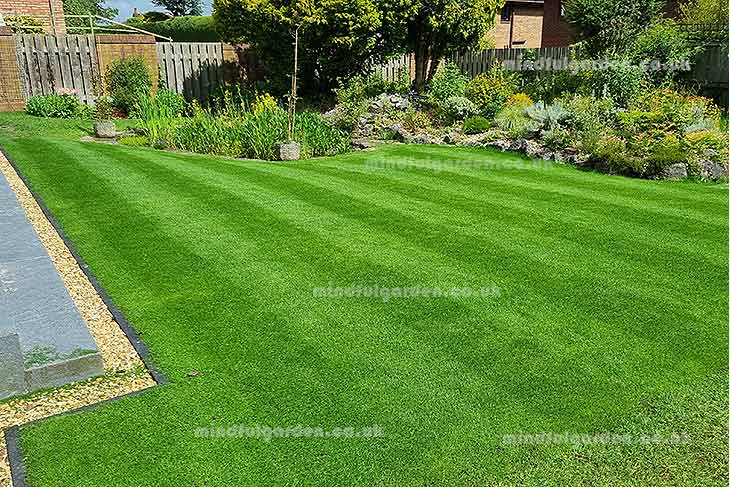
More photos of the making of this lawn
Coming Soon.